
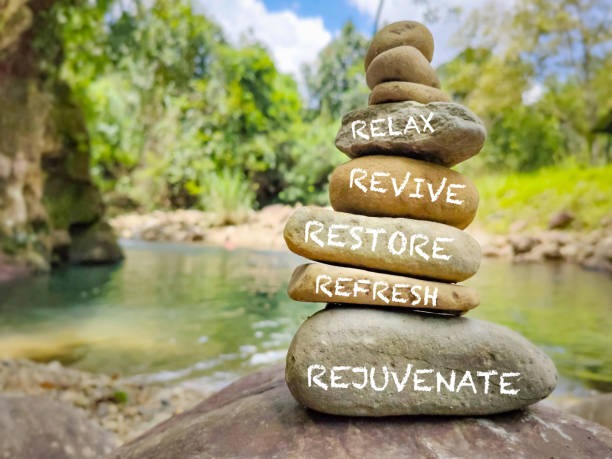
Protecting personal time and energy has become increasingly essential as demands from work, social obligations, and digital distractions continue to grow. Maintaining clear boundaries is a practical starting point. By defining specific periods during the day dedicated solely to personal activities or rest, individuals create a framework that discourages interruptions. This can mean setting firm start and end times for work or designating certain hours as technology-free zones. Communicating these boundaries clearly to colleagues, friends, and family helps reinforce their importance and reduces the likelihood of unplanned intrusions.
Another effective approach involves prioritizing tasks based on urgency and value rather than reacting to every request or notification. Learning to say no is a skill that directly protects time and energy by preventing overload. It requires assessing commitments critically and recognizing when additional responsibilities will compromise well-being or productivity. This selective engagement ensures focus remains on meaningful activities rather than spreading oneself too thin.
Managing digital consumption also plays a critical role in preserving mental energy. Constant exposure to emails, social media, and news updates can fragment attention and increase stress. Scheduling specific times to check messages instead of responding immediately encourages a more controlled interaction with technology. Turning off non-essential notifications or using apps designed to limit screen time can further reduce distractions, allowing for deeper concentration on tasks that matter.
In addition to external strategies, cultivating internal habits like mindfulness and regular physical activity supports sustained energy levels. Mindfulness practices help individuals become more aware of how they spend their time and recognize when they are overextending themselves. Physical exercise boosts overall stamina and resilience, making it easier to handle daily demands without feeling drained. Both contribute to maintaining a balanced state where personal time is genuinely restorative rather than consumed by fatigue.
It is also beneficial to evaluate the quality of rest regularly. Sleep hygiene-maintaining consistent sleep schedules and creating a restful environment-directly influences energy reserves. Poor sleep can undermine even the best efforts at time management by reducing focus and increasing irritability.
While exploring ways to protect one’s personal resources, some may encounter research on supplements or therapies aimed at enhancing recovery or performance. For example, https://veteriankey.com/bpc-157-vs-tb-500-research-differences-safety-and-evidence-compared/ provides detailed information about two peptides often discussed in contexts related to healing and physical resilience. Although such resources can offer insights, it remains crucial to approach them critically and prioritize foundational habits like boundary-setting and self-care first.
Ultimately, protecting personal time and energy requires deliberate choices that align with individual needs and values. Consistent application of these practical measures fosters a sustainable balance amid competing demands.