
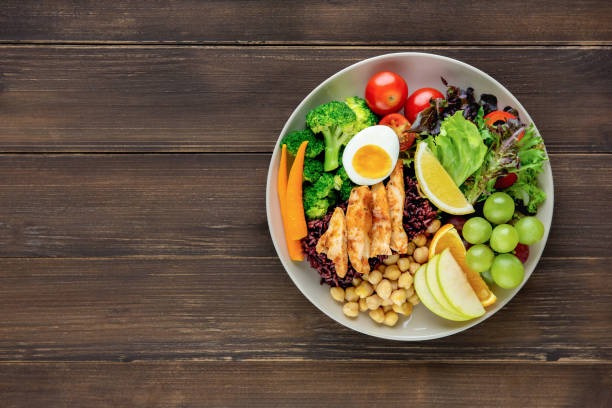
Balancing nutrition throughout the week can often feel overwhelming, but practical food planning can simplify this task while promoting a healthier lifestyle. One effective approach is to begin by assessing your dietary needs based on your activity level, age, and any specific health goals. This initial step helps tailor meal choices to provide the right amounts of macronutrients like proteins, carbohydrates, and fats, as well as essential vitamins and minerals. Incorporating a variety of food groups ensures that no nutrient is overlooked.
When planning meals, it’s beneficial to focus on whole foods such as fresh vegetables, fruits, lean proteins, whole grains, and healthy fats. These ingredients not only provide balanced nutrition but also support sustained energy levels and overall wellness. Preparing a weekly menu in advance allows for better portion control and reduces the temptation to opt for convenience foods that are often high in sugars and unhealthy fats. By setting aside time to plan and shop accordingly, you can avoid last-minute decisions that might compromise nutritional quality.
Meal prepping is another strategy that enhances consistency in balanced eating. Cooking larger portions of staple items like grains or roasted vegetables can save time during busy weekdays. These prepared components can be mixed and matched with different proteins or sauces to create diverse meals without repetitive flavors. Additionally, freezing portions can extend shelf life and provide quick access to nutritious options on days when cooking isn’t feasible. This method also helps minimize food waste by using ingredients efficiently.
Incorporating snacks wisely is part of maintaining balanced nutrition throughout the week. Opting for nutrient-dense options such as nuts, yogurt, or fresh fruit can prevent energy dips between meals without adding empty calories. Planning snack times around your daily schedule keeps hunger at bay and supports metabolic health.
Hydration plays a crucial role as well; drinking adequate water complements food intake by aiding digestion and nutrient absorption. Keeping a water bottle handy encourages regular consumption throughout the day.
Tracking progress with a simple journal or app can reveal patterns in eating habits and highlight areas for improvement. This ongoing reflection supports mindful choices rather than impulsive ones.
Your Health Magazine guide emphasizes that sustainable food planning is not about strict restrictions but about creating flexible routines that accommodate personal preferences while meeting nutritional needs. By adopting these practical strategies, maintaining balanced weekly nutrition becomes a manageable and rewarding part of daily life.