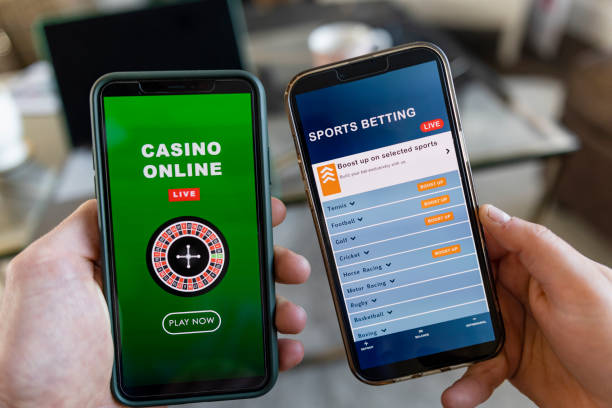

In recent years, the popularity of online casinos in the Arab world has surged significantly, driven by advancements in technology and increased internet accessibility. As more players engage with these platforms, understanding responsible gaming becomes essential to ensure a safe and enjoyable experience for all participants. Responsible gaming refers to a set of practices and policies designed to prevent gambling-related harm by promoting control, awareness, and support among players.
At the core of responsible gaming is the recognition that gambling should be treated as a form of entertainment rather than a way to make money. This mindset helps players avoid developing unhealthy habits arab online casinos or chasing losses, which can lead to financial difficulties or emotional distress. Arab online casinos have increasingly adopted responsible gaming measures tailored to their audience’s cultural and social contexts while complying with international standards.
One important aspect is self-exclusion options that allow players to take breaks from gambling when they feel it is necessary. Many platforms provide tools enabling users to set deposit limits, loss limits, or session time restrictions. These features empower individuals to manage their spending responsibly and reduce the risk of addiction. Additionally, some sites offer reality checks-notifications reminding players how long they have been playing-to encourage mindful participation.
Education also plays a vital role in fostering responsible gaming at Arab online casinos. Operators often provide resources such as articles, quizzes, and videos explaining the risks associated with excessive gambling and strategies for maintaining control. By raising awareness about problem gambling signs like chasing losses or neglecting personal responsibilities, these initiatives help users recognize when they might need assistance.
Support services are another critical component integrated into many Arabic-language casino websites. Confidential helplines staffed by trained professionals offer guidance for those struggling with gambling behavior issues. Referral systems connect users with specialized organizations providing counseling or treatment programs tailored specifically for individuals from Arab communities.
Furthermore, regulatory bodies overseeing online gambling markets emphasize operator accountability through licensing requirements mandating adherence to responsible gaming principles. Licensed operators must regularly monitor player activity patterns for signs of problematic behavior using sophisticated software analytics tools capable of detecting unusual betting trends indicative of potential addiction.
Cultural sensitivity is also paramount when addressing responsible gaming within Arab societies where attitudes toward gambling may vary widely due to religious beliefs and legal frameworks differing across countries in the region. Therefore, many platforms customize their messaging carefully while respecting local norms without compromising on essential safety protocols.
In conclusion, understanding responsible gaming at Arab online casinos involves appreciating its multifaceted approach encompassing prevention tools, education efforts, support availability, regulatory oversight, and cultural considerations. By embracing these elements collectively both operators and players contribute towards creating an environment where enjoyment does not come at the cost of well-being-a goal crucial for sustaining this rapidly growing sector responsibly into the future.