Reducing energy costs at home is a priority for many homeowners, and one of the most effective ways to achieve this is by making improvements to your HVAC (heating, ventilation, and air conditioning) system. An efficient HVAC system not only lowers utility bills but also enhances indoor comfort and contributes to environmental sustainability. Here are some of the best HVAC improvements you can consider to reduce energy costs.
Firstly, upgrading to a programmable or smart thermostat can significantly impact your energy consumption. These devices allow you to set schedules that automatically adjust the temperature based on your daily routine. For instance, they can lower heating or cooling when you’re asleep or away from home and restore it before you return. This ensures that energy is not wasted on maintaining optimal temperatures when it’s unnecessary.
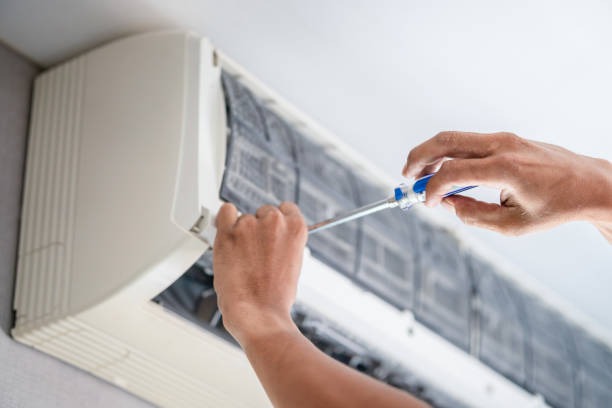
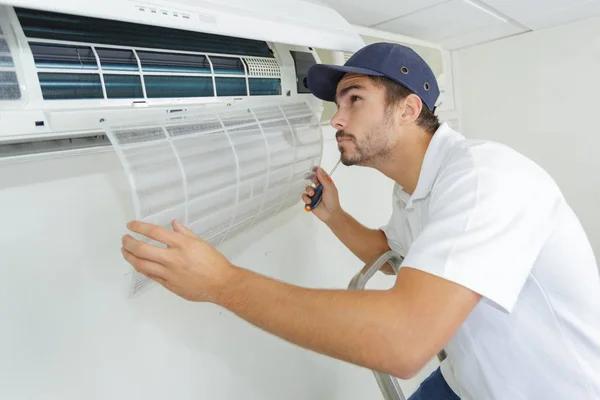
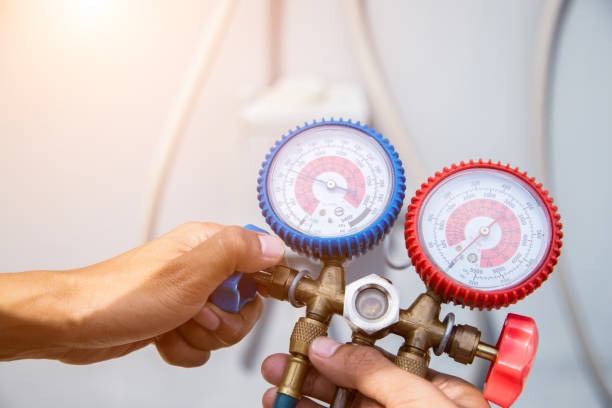
Another improvement involves regular maintenance of your existing HVAC system. Simple tasks such as replacing air filters every 1-3 months can enhance airflow efficiency and prevent the system from working harder than necessary. Additionally, scheduling annual inspections with an HVAC professional ensures that any potential issues are identified early, preventing costly repairs down the line and maintaining peak performance.
Sealing leaks dive in for more ductwork is another critical step towards improving efficiency. Ducts that leak conditioned air into unoccupied spaces like attics or basements cause significant energy loss. By sealing these leaks with mastic sealant or metal tape, you ensure more efficient delivery of heated or cooled air throughout your home.
Insulation plays a vital role in reducing energy consumption as well. Properly insulating your home helps maintain desired temperatures longer without over-reliance on heating or cooling systems. Consider adding insulation to areas such as attics, walls, and floors if needed.
Upgrading old HVAC equipment can also lead to substantial savings in energy costs over time. Modern units are designed with higher efficiency standards compared to older models; thus investing in ENERGY STAR-rated furnaces or air conditioners may result in considerable reductions in utility bills while providing reliable performance year-round.
Furthermore, incorporating zoning systems allows for better control over specific areas within your home by directing airflow only where needed rather than uniformly across all rooms regardless of occupancy levels—this targeted approach prevents unnecessary wastage while optimizing comfort levels efficiently.
Lastly but importantly: consider integrating renewable technologies like solar panels which provide clean power sources capable enough even supporting entire households’ electricity demands including those required by their respective climate-control apparatuses thereby reducing dependency upon conventional grid-based supplies altogether!
In conclusion: implementing these strategic enhancements will undoubtedly help reduce household expenditures associated directly via lowered monthly statements whilst simultaneously contributing positively towards broader ecological objectives too!