
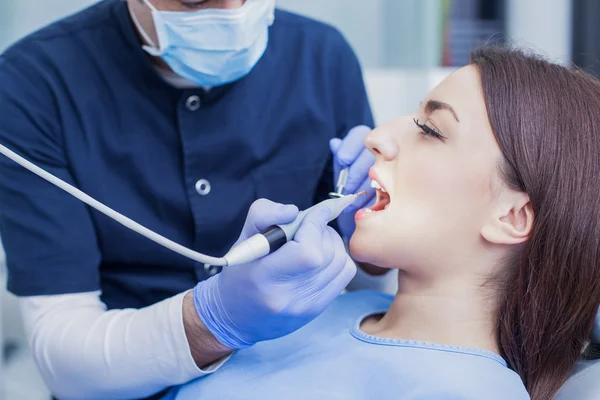
Professional dental cleaning is a routine procedure that many people undergo regularly to maintain oral health, but there are aspects of it that dentists often do not fully explain. While most patients understand that dental cleanings remove plaque and tartar buildup, fewer realize the extent of what the process involves and its limitations. One important point is that professional cleaning does not whiten teeth permanently. Although scaling and polishing can make teeth appear brighter by removing surface stains, this effect is temporary and does not replace whitening treatments designed to change tooth color at a deeper level.
Another detail rarely emphasized is that professional cleaning can sometimes cause slight discomfort or sensitivity during and after the procedure. The removal of hardened tartar may expose sensitive areas on teeth or gums, leading click to learn more mild soreness for a day or two. This sensitivity usually subsides quickly but can surprise patients who expect the experience to be entirely painless. Furthermore, dental cleanings are preventive rather than curative; they cannot fix existing cavities or gum disease but instead help prevent these conditions from worsening.
It’s also worth noting that even with regular professional cleanings, maintaining good oral hygiene at home remains essential. Cleanings provide a fresh start by clearing away deposits, but daily brushing and flossing determine long-term success in preventing decay and gum problems. Dentists might not stress enough how much responsibility lies with the patient between appointments because their focus tends to be on clinical care during visits.
Some individuals believe that getting frequent dental cleanings will eliminate all risks related to oral health issues; however, this is misleading. Professional cleanings reduce risk factors but do not guarantee complete protection against cavities or periodontal diseases. Genetics, diet, lifestyle habits like smoking, and other medical conditions also play significant roles in oral health outcomes beyond what any cleaning session can address.
Additionally, it’s common for people to assume all hygienists perform identical procedures uniformly across practices; yet techniques and thoroughness vary depending on training standards and equipment used at different clinics. Some offices employ ultrasonic scalers while others rely more heavily on manual tools-each method having its pros and cons regarding comfort level and efficiency.
Lastly, insurance coverage for professional dental cleaning varies widely based on plan specifics; some policies cover two sessions per year fully while others require copayments or limit reimbursements significantly without clear explanation upfront from providers.
Understanding these lesser-known facts about professional dental cleaning helps set realistic expectations about what happens during appointments as well as what patients should do afterward to preserve their oral health effectively over time.