When considering home improvements, the integration of solar panels with roof repair or replacement is an increasingly popular choice among homeowners. This decision not only addresses energy efficiency but also enhances property value and reduces environmental impact. However, merging these two projects requires careful planning and understanding of several key aspects.
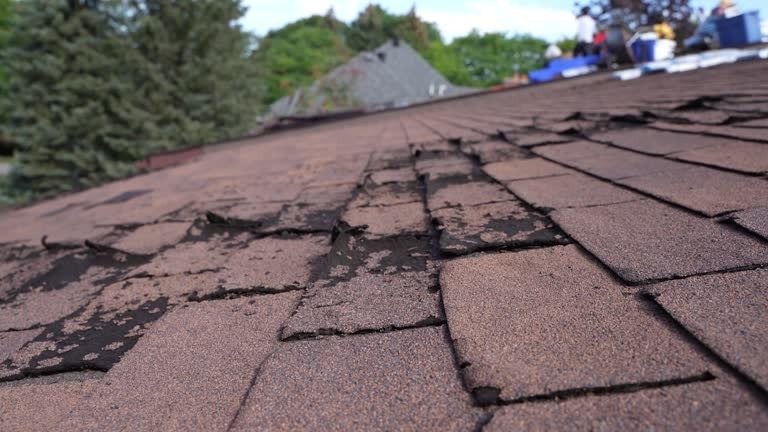
Firstly, assessing the condition of your existing roof is crucial. Before installing solar panels, ensure that your roof is in good shape to support them for at least 20-25 years—the typical lifespan of solar panels. If your roof shows signs of wear such as leaks, missing shingles, or structural damage, it might be wise to opt for a full replacement rather than just repairs. This proactive approach can prevent future complications that may arise from having to remove roof repair and replacement with solar panels if roofing issues occur later on.
The type of roofing material plays a significant role in this process as well. Some materials are more compatible with solar panel installation than others. Asphalt shingles are commonly used due to their cost-effectiveness and ease of installation alongside solar systems. Metal roofs are another excellent option because they offer durability and simplicity when mounting solar arrays directly onto the surface without requiring additional penetrations.
Moreover, it’s essential to consider local climate conditions when deciding on both roofing materials and solar panel types. For instance, areas prone to heavy snowfall may benefit from metal roofs with higher weight-bearing capacities combined with sturdy photovoltaic panels designed for such environments.
Financial considerations also come into play when undertaking these projects simultaneously. While the initial investment might seem substantial—encompassing both new roofing costs and purchasing plus installing solar equipment—it’s important to factor in long-term savings on electricity bills as well as potential tax incentives or rebates available for renewable energy upgrades.
Another critical element involves selecting experienced contractors who specialize in both roofing work and solar installations. Collaborating with professionals familiar with integrating these systems ensures that all components function harmoniously while adhering to safety standards and building codes specific to your area.
Additionally, timing coordination between roofing contractors and solar installers can streamline project execution significantly; ideally conducting both tasks concurrently minimizes disruptions compared to staggered scheduling which could extend completion time unnecessarily.
Lastly yet importantly: warranties must not be overlooked during this process! Both new roofs typically come accompanied by manufacturer warranties covering defects over certain periods whereas most reputable companies provide similar assurances regarding performance guarantees concerning installed photovoltaics too!
In summary: combining necessary rooftop maintenance alongside sustainable technology solutions offers numerous advantages—from increased eco-friendliness through enhanced property valuations down towards eventual financial savings—but demands thorough preparation informed decisions throughout every stage involved ensuring optimal outcomes achieved ultimately satisfying homeowner expectations entirely!