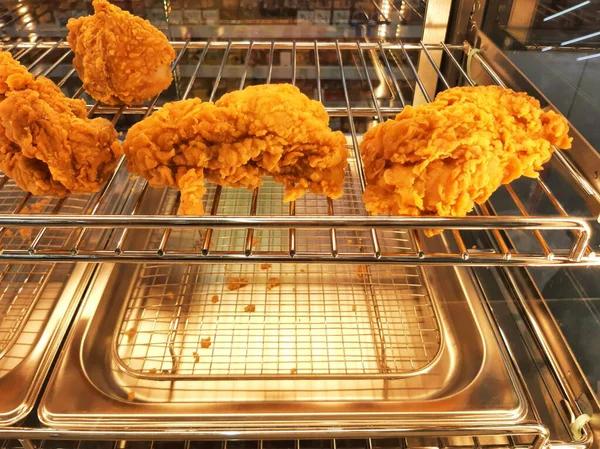
When purchasing a food warmer display, several important factors should be considered to ensure it meets your needs effectively. First and foremost, the size and capacity of the unit must align with the volume of food you plan to keep warm. If you operate a small café or concession stand, a compact model may suffice, while larger establishments require units that can accommodate multiple trays or larger quantities of food. It is essential to measure the available counter space where the warmer will be placed to avoid selecting an oversized device that disrupts workflow or underutilizing a smaller one.
The type of heating mechanism is another critical aspect. Food warmers generally use either dry heat or moist heat systems. Dry heat models maintain temperature through heated surfaces or air circulation, which is ideal for items like baked goods that need crispiness preserved. Moist heat warmers use steam to retain moisture in foods such as meats and vegetables, preventing them from drying out during extended warming periods. Understanding your menu offerings will help determine which heating method best suits your requirements.
Temperature control features are vital for maintaining food safety and quality. Look for units with adjustable thermostats allowing precise temperature settings rather than fixed outputs, as different foods require varying warmth levels to stay fresh without overcooking or drying out. Some advanced models include digital controls and displays providing real-time temperature readings for better monitoring.
Ease of cleaning also plays a significant role in choosing a Food Warmer Display. Since these devices come into direct contact with food particles and spills, removable trays, drip pans, and smooth interior surfaces simplify maintenance tasks while ensuring hygiene standards are upheld consistently. Stainless steel construction not only offers durability but also resists corrosion from frequent cleaning agents.
Energy efficiency should not be overlooked when selecting a warmer display because these appliances often run for extended hours during business operations. Units designed with insulation features reduce heat loss and lower electricity consumption, contributing to cost savings over time while minimizing environmental impact.
Finally, consider additional accessories such as lighting options that enhance product visibility within the display case by making food more appealing to customers without generating excessive heat that could affect freshness negatively. Warranty coverage and customer support services provided by manufacturers add value by protecting your investment against potential defects or malfunctions.
In summary, choosing an appropriate food warmer display involves balancing size requirements, heating methods suited to specific foods, precise temperature control capabilities, ease of cleaning materials and design elements focused on energy efficiency alongside practical extras like lighting and warranty options-all contributing toward an effective solution tailored specifically for your culinary environment’s demands.